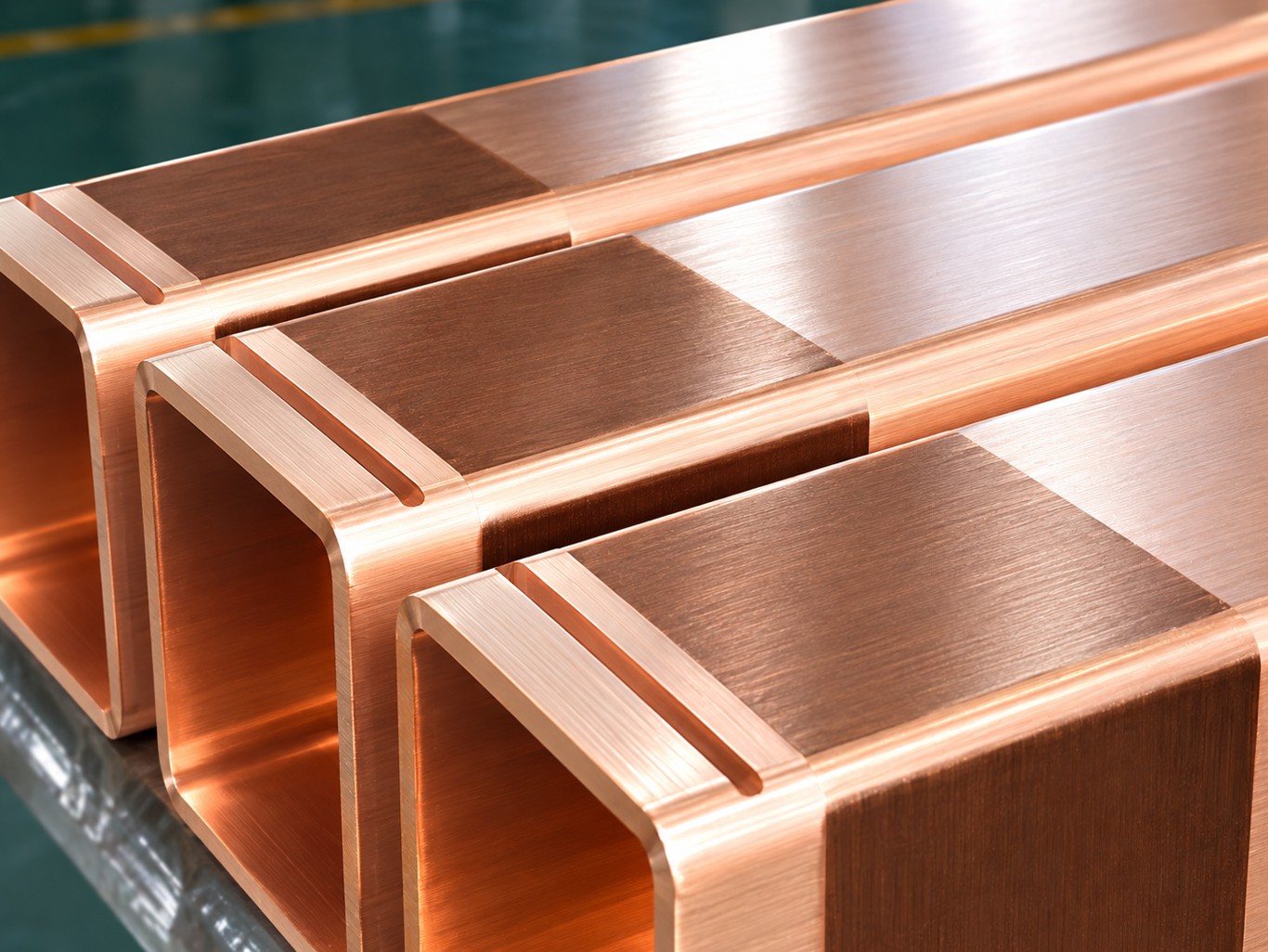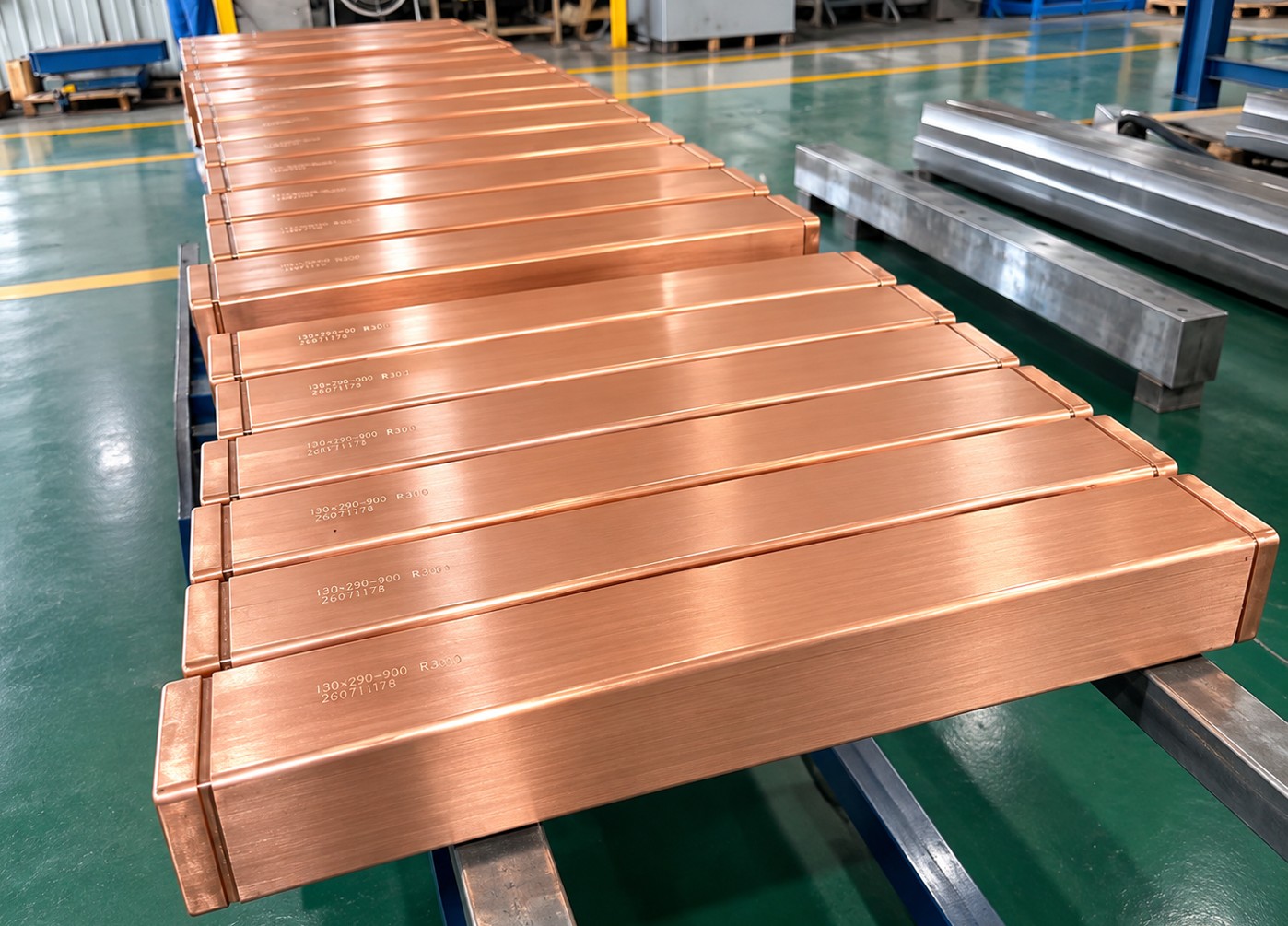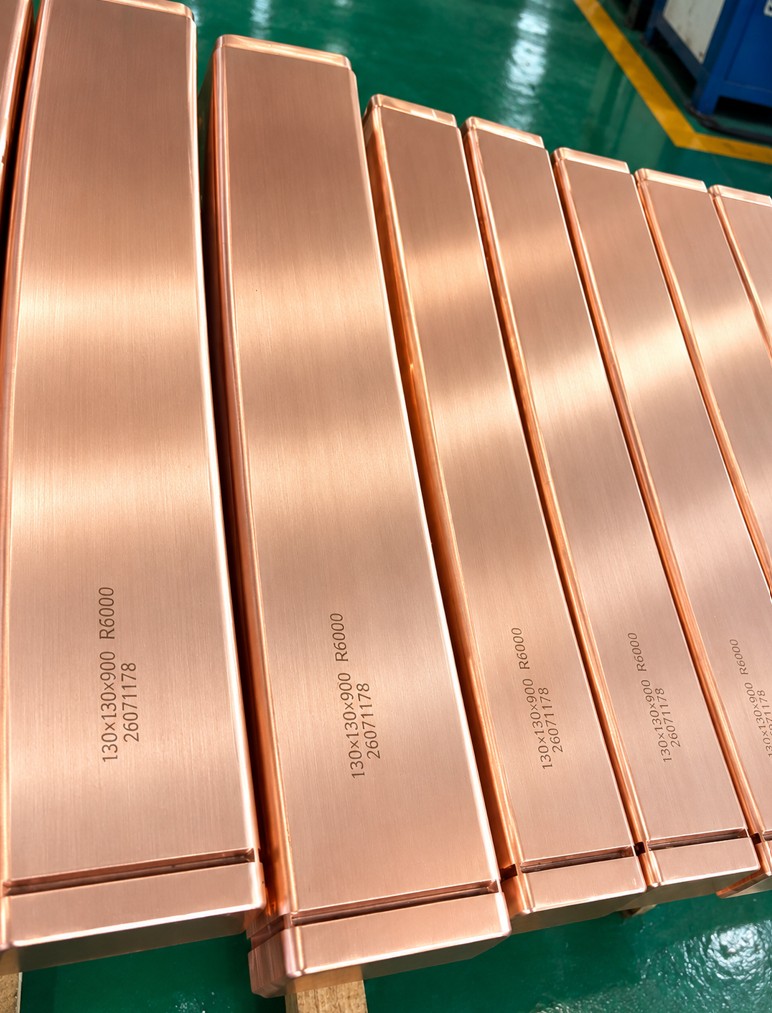

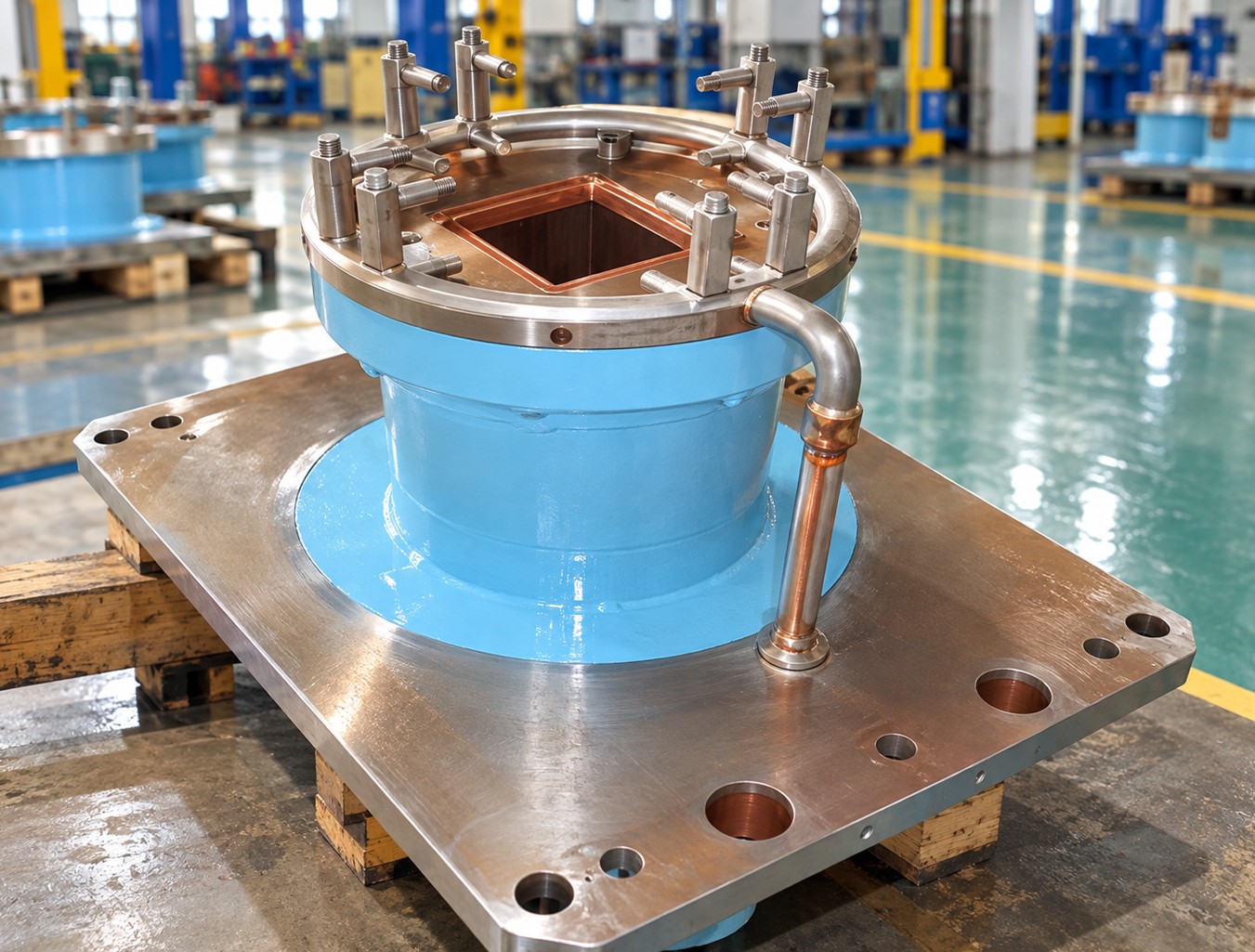
A billet caster's mould section is where liquid steel becomes a solid strand. It is also where most of the caster's consumable spare parts live, and where a mismatch between parts costs the most. This article walks through the system from the copper tube down to the dummy bar and explains why we quote it as a set.
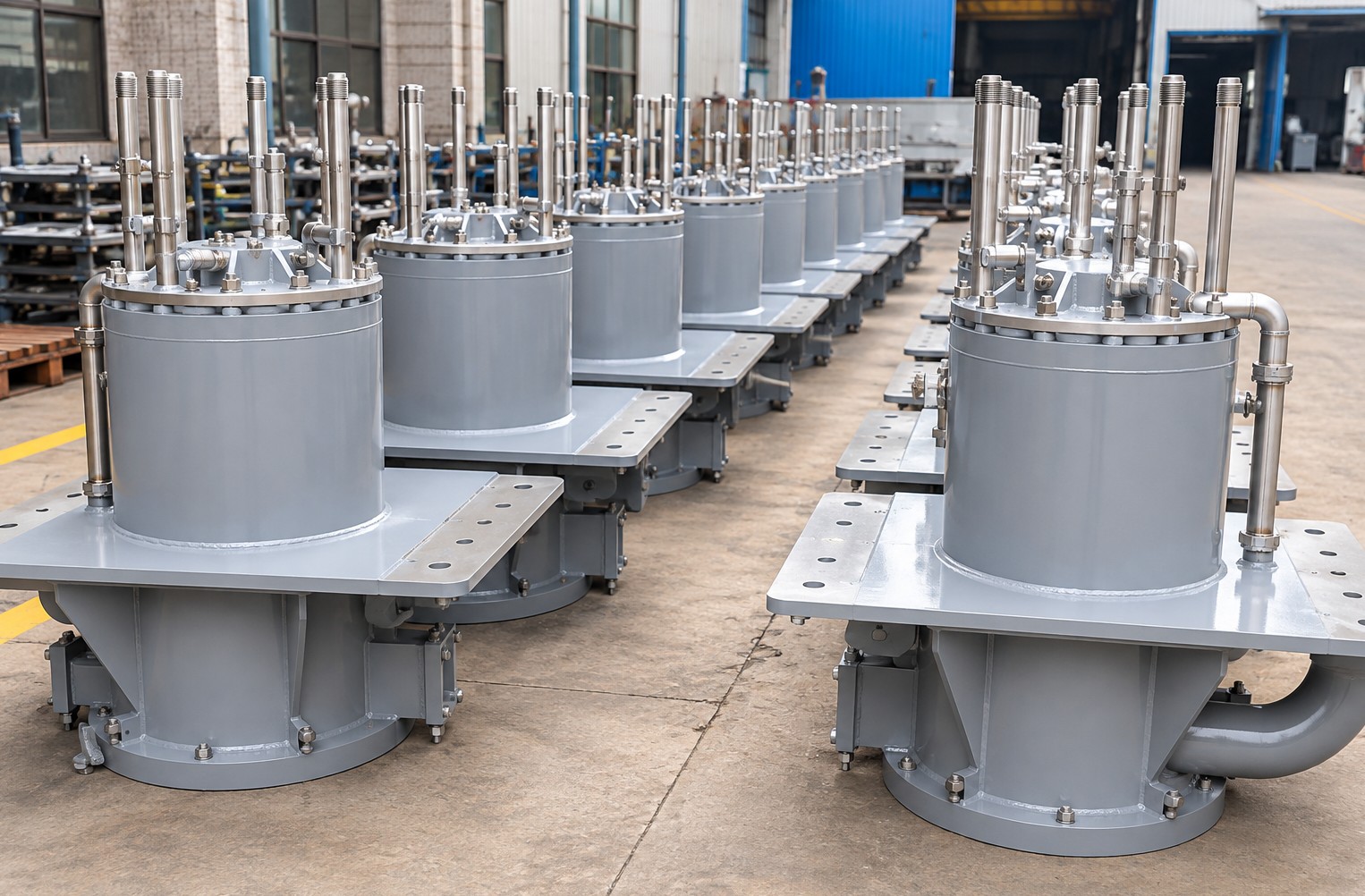
Every part references the others. The tube's outer dimensions and length set the jacket's bore and flange spacing. The jacket's flanges set the seal sizes and the mounting to the housing. The tube's exit section sets the dummy bar head's section; the head's rear connection sets the dummy bar's front link. Buy the tube from one supplier to one drawing revision, the jacket from another to another, and the head from a third, and the assembly may still bolt together, but the cooling gap will be uneven, the seals will weep, and the head will jam or leak at start-up.
In practice, the plants with the fewest mould problems are the ones that keep one drawing set for the whole system and buy replacements against it.
Typical reasons: a caster upgrade to a new section or speed; a jacket worn beyond repair; a change of OEM support; or simply consolidating suppliers. In each case the sequence is the same:
| Part | Options |
|---|---|
| Copper mould tube | Square / rectangular / round, R3000–R15000, Cu-DHP / CuAg / CuCrZr, Cr or Ni-Cr |
| Water jacket | Stainless or carbon steel, to tube and housing drawing, side or bottom connections |
| Assembly | Tube + jacket + flanges + seals + connections, pressure tested |
| Dummy bar head | Square 100 × 100 to 200 × 200, rectangular to 200 × 285, round Ø120–Ø230, to drawing |
| Dummy bar | Rigid or flexible, head, transition, body, connections, to drawing |
| Spare parts | Seals, flanges, fasteners, foot rolls and other mould-section items on request |
Most orders are for tubes alone, and that is what the rest of this site is built around. But when the jacket or the head is due as well, ordering the set costs little more, arrives together, and removes the most common source of mould trouble: parts that were never designed to meet.
The housing and oscillation table are machine-specific and usually not replaced; we supply everything from the jacket inward plus the dummy bar system.
Yes; photos, measurements and the caster OEM are usually enough to produce a drawing set for approval.
Typically 6–8 weeks after drawing approval; tubes alone 2–5 weeks.
Related pages: Copper mould assembly · Mould water jacket · Dummy bar head · Dummy bar · Copper Mould Tubes · Request a quote